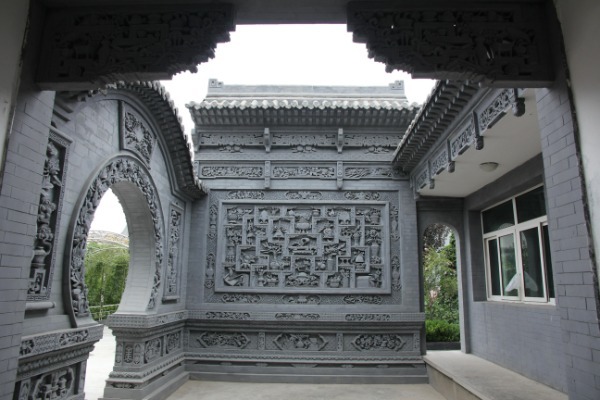
Linxia Brick Carving
Introduction
Linxia brick carving, also referred to as Hezhou brick carving, is a distinguished form of applied art primarily associated with architectural decoration. This art form is renowned for its intricate designs and historical significance. Linxia brick carving combines elements of painting and wood carving, showcasing the artisans' ability to create detailed and expressive works of art on brick surfaces. The art form is particularly noted for its development during the Ming (1368–1644) and Qing (1644–1911) dynasties and has continued to evolve, reflecting both traditional craftsmanship and modern artistic influences.
History
Linxia brick carving finds its roots in ancient Chinese architectural traditions, where it served both aesthetic and functional purposes. The art form reached its zenith during the Ming and Qing dynasties, a period marked by a flourishing of cultural and artistic pursuits in China. During these dynasties, Linxia brick carving became an integral part of architectural design, adorning both public buildings and private residences with its elaborate and symbolic motifs. Artisans from this era developed a rich vocabulary of patterns and techniques, laying the groundwork for the future evolution of the craft.
Techniques and Styles
The techniques used in Linxia brick carving are characterized by meticulous craftsmanship and attention to detail. Artisans utilize specialized tools to chisel, carve, and shape the brick into intricate designs, often inspired by natural motifs, mythological figures, and historical narratives. The integration of painting techniques allows for the use of color and shading, adding depth and vibrancy to the carvings. Wood carving techniques are also employed to achieve fine detail and texture, further enhancing the visual appeal of the artwork. These techniques require a high degree of skill and precision, making Linxia brick carving a revered and respected craft.
Cultural Significance
Linxia brick carving holds significant cultural value, reflecting the artistic and intellectual achievements of the regions where it is practiced. The carvings often carry symbolic meanings, conveying messages of prosperity, longevity and harmony. As a cultural artifact, Linxia brick carving provides insight into the historical and social contexts of its time, serving as a visual narrative of the beliefs and values of the communities that created them. The art form is also a testament to the creativity and craftsmanship of Chinese artisans, who have passed down their skills and knowledge through generations.
Modern Development
In the contemporary era, Linxia brick carving has continued to evolve, incorporating modern artistic influences and techniques. These developments have ensured the relevance of the art form in today's cultural landscape, attracting renewed interest from both practitioners and enthusiasts. The recognition of Linxia brick carving as an intangible cultural heritage by the State Council in 2006, marked a significant milestone in its preservation and promotion.
Efforts to preserve and promote Linxia brick carving have been undertaken by various organizations and institutions. These initiatives aim to protect the knowledge and skills associated with the craft, providing training and resources for artisans to continue practicing and refining their techniques. Additionally, exhibitions and cultural events showcase Linxia brick carving to a wider audience, raising awareness of its artistic and cultural significance.








